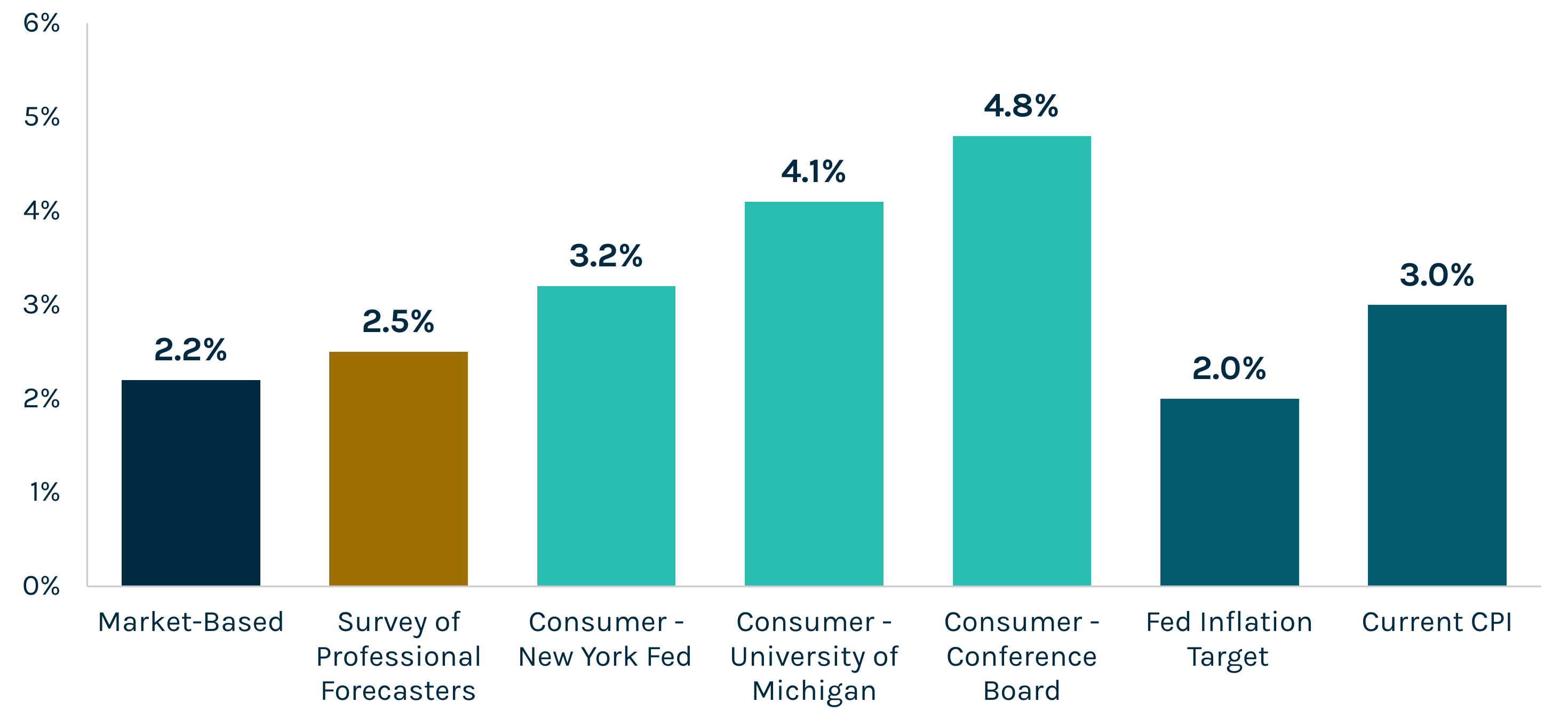


The new administration’s tariff levels are the highest seen in over a century, sparking concerns about inflation. While the extreme forecasts haven’t yet materialized, U.S. CPI inflation —both headline and core (excluding energy and food)—has been climbing and now sits near 3% as of December 2025.
So, where do we go from here? Two narratives dominate the market:
- Market-based measures & Professional forecasts: Demonstrate a degree of confidence that the Federal Reserve ("Fed") will succeed in bringing inflation down.
- Consumer based surveys: Demonstrate there is more pain ahead.
Who’s right? It’s hard to say. Normally, one might be suspect of consumer’s understanding of inflation, but here’s why we lean toward the consumer’s view:
- Monetary Policy: Next year, the administration is likely to appoint a dovish Fed chair. If supported by the broader FOMC, we think we can expect more rate cuts which is generally counterproductive for lowering inflation.
- Fiscal Policy: Current fiscal stance is stimulative; tax cuts will likely inject more money into the economy.
- Supply Side Pressure: AI driven CAPEX boom has been lifting commodity prices, while weaker immigration is likely to keep wage pressures elevated.
- Tariffs: Even if the Supreme Court strikes down the IEEPA1 tariffs, alternative mechanisms will likely follow—less maximalist and robust but likely more legally binding.
- Healthcare Subsidies: If not extended, costs for millions of households will rise.
These factors aren’t mutually exclusive. Any combination could keep inflation higher for longer.
What’s an investor to do?
Now is the time to reassess inflation protected assets. In a “higher for longer” inflation environment, the traditional 60/40 portfolio can lose much of its diversification power as public equities and bonds become increasingly correlated. Private infrastructure and private real estate can help remedy that loss, as both asset classes have historically offered strong inflation protection and diversification against market volatility.
Incorporating them has enabled investors to build greater resilience historically within multi asset portfolios as these asset classes have historically exhibited some of the lowest correlation to public markets.
All measures to point to above target inflation